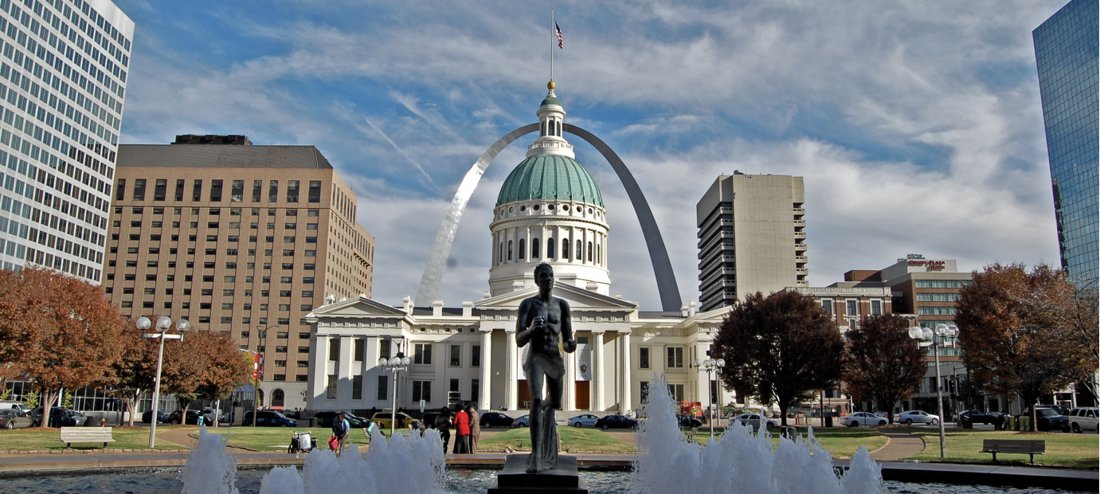
St Louis City Benton Park Neighborhood
St Louis City Benton Park Neighborhood

Step into history with this beautifully maintained 1-bed, 1-bath bungalow. Situated in the heart of Benton Park, this home blends historic charm with modern comforts, mak...
- 1 Beds
- 1 Baths
- 26036471 MLS
- ACTIVE Status

Welcome to 3024 S Jefferson, a partially renovated, historic mixed used building located in the roaring Benton Park neighborhood of South St. Louis City! Zoned for retail...
- 26033693 MLS
- ACTIVE Status

From the moment you arrive, this historic Benton Park showstopper captures your attention. Step inside to discover an updated three-story home that blends timeless charac...
- 3 Beds
- 3 Baths
- 26026594 MLS
- ACTIVE Status

Discover historic charm with modern comfort in this beautifully updated 3-bedroom, 2.5-bath 3-story home with gleaming hardwood floors throughout in the highly sought-aft...
- 3 Beds
- 3 Baths
- 26022921 MLS
- ACTIVE Status

NEW PRICE & GREAT OPPORTUNITY! This 3-story historic home offers over 2,700 sq ft of living space and sits directly across from beautiful Benton Park. Bursting with poten...
- 2 Beds
- 2 Baths
- 26020953 MLS
- ACTIVE Status

Tucked into the heart of historic Benton Park, this stunning 1887 brick townhouse perfectly blends timeless character with thoughtful updates. Inside, you’ll fall in love...
- 4 Beds
- 2 Baths
- 26018370 MLS
- ACTIVE Status

Outstanding opportunity to own one of the prime, high traffic commercial locations in Benton Park! Currently set up as mixed use; restaurant/bar at street level with a h...
- 25028499 MLS
- 2901 Bldg.
- ACTIVE Status
Benton Park Neighborhood
Location:
The neighborhood is defined on the North by Gravois, on the South by Cherokee and Potomac, on the West by Jefferson, and on the East by I-55.
History:
The sale of the St. Louis Commons, the land that would become Benton Park, was authorized as early as 1836, but active platting of subdivisions did not begin until the early 1850s. Many of the historic buildings existing today date back to the 1880s and 1890s. The area of the park itself was at one time the City Cemetery. After bodies were removed to the Quarantine burial grounds on Arsenal Island, the area was converted to a park. Benton Park, originally known as the City Park, was created by ordinance on June 25, 1866. The Benton Park area began to build up soon after the Civil War and, by 1875, had become a semi-urbanized district. Small- and medium-sized single-family dwellings were built on solid ground between the sink holes and underground caverns that honeycombed the area. One such cavern attracted William J. Lemp as new site for his brewery. The cave was used as a natural cooling cellar for the beer. The brewery became one of two principal breweries in St. Louis. Unlike Anheuser-Busch, its doors closed during Prohibition and never reopened.
*Retrieved from https://www.stlouis-mo.gov/
.jpg)
Address Search
Search Popular Cities
